# **ADHD: Understanding Attention-Deficit/Hyperactivity Disorder in Everyday Life** Attention-Deficit/Hyperactivity Disorder...
Read More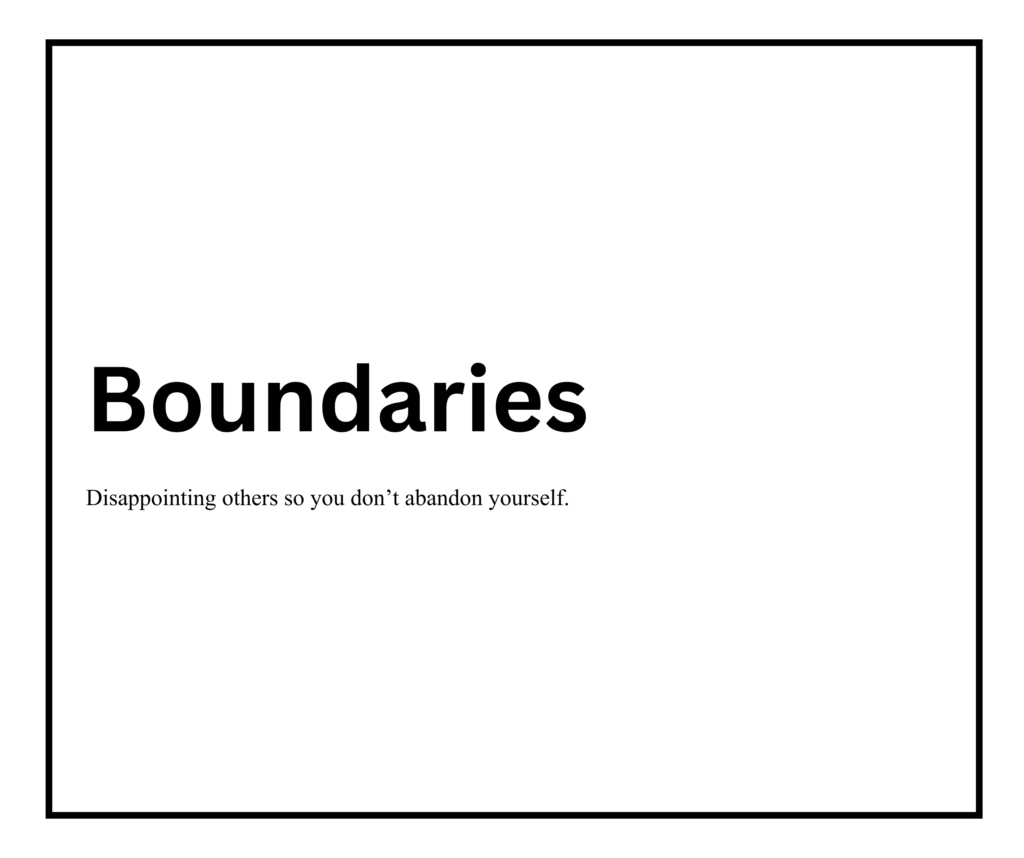
Personal boundaries are the emotional, physical, and psychological limits that define what a person is comfortable with and how they expect to be treated by others. They act as an internal guideline for what is acceptable and what is not, helping individuals protect their well-being, maintain self-respect, and cultivate healthier relationships. Boundaries communicate needs, values, and comfort levels in a way that supports mutual respect and emotional balance. Without boundaries, people may feel overwhelmed, manipulated, taken advantage of, or disconnected from their own needs. With healthy boundaries, individuals feel safer, more confident, and more in control of their interactions and relationships.
Boundaries are essential because they shape how individuals navigate relationships and protect their emotional and mental health. They prevent burnout, reduce resentment, and allow individuals to maintain a sense of identity within relationships. Without boundaries, people often overextend themselves, comply out of guilt, or suppress their needs to avoid conflict or disappointment. This leads to stress, emotional exhaustion, and, in some cases, loss of self-identity. Healthy boundaries foster trust, respect, and emotional safety. They signal to others how one wishes to be treated and create space for honest, balanced, and fulfilling relationships.
People with weak boundaries often struggle to say no, feel responsible for others’ emotions, or adjust their behaviour to avoid upsetting others. They may overcommit, tolerate disrespect, hide their true feelings, or fear conflict intensely. Many feel guilty for prioritising themselves or believe their needs are less important than those around them. On the other hand, rigid boundaries—where people shut others out or refuse to express vulnerability—can also create emotional distance and difficulty building close relationships. Healthy boundaries lie in the middle: flexible enough to allow connection yet strong enough to protect emotional well-being.
Difficulty with boundaries often originates in childhood. Individuals who grew up in environments where their needs were dismissed, criticised, or ignored may learn to silence themselves. Those raised in overly controlling or emotionally chaotic households may internalise the belief that pleasing others or avoiding conflict is necessary for safety. Cultural expectations, past trauma, fear of abandonment, low self-esteem, and people-pleasing tendencies also affect boundary formation. Many individuals do not realise they lack boundaries until they feel emotionally drained, resentful, or taken for granted.
While boundaries are not a clinical diagnosis, therapists assess boundary issues as part of evaluating emotional health and relationship patterns. Through clinical interviews, psychologists identify behaviours such as difficulty asserting needs, fear of conflict, emotional enmeshment, dependency, or patterns of overgiving. Tools such as self-esteem inventories, interpersonal relationship assessments, or questionnaires on assertiveness may help individuals understand their relational patterns. Therapy examines how boundaries were shaped and supports individuals in recognising unhealthy cycles that prevent balanced relationships.
Developing healthy boundaries requires self-awareness and emotional clarity. Therapy teaches individuals to identify their needs, recognise discomfort, and express limits respectfully. Assertive communication plays a key role. Using statements such as “I feel,” “I prefer,” and “I’m not comfortable with this,” helps communicate boundaries without aggression or guilt. Learning to say no is essential. Boundary building also involves recognising toxic behaviours, distancing from unhealthy relationships, and setting limits around time, emotional labour, and personal energy. Over time, consistent practice rewires emotional patterns and strengthens confidence.
A psychologist helps individuals understand why they struggle with boundaries and how these patterns developed. Therapy explores core beliefs such as fear of rejection, people-pleasing tendencies, perfectionism, or childhood conditioning that undermines self-worth. Psychologists teach assertiveness skills, emotional regulation, and communication strategies. They also help individuals identify manipulative or toxic behaviours from others and provide tools to navigate conflict calmly and confidently. For people who feel guilty or uncomfortable prioritising themselves, therapy reframes boundaries as healthy, necessary, and respectful choices rather than selfish actions.
Self-help strategies include learning to pause before agreeing to requests, checking in with one’s emotions, and evaluating whether a situation aligns with personal comfort. Journaling feelings after interactions can help identify patterns of overgiving or discomfort. Practicing small, low-risk boundary-setting situations builds confidence for more difficult conversations later. Limiting exposure to draining people, protecting personal time, and maintaining self-care routines also strengthen boundaries. Individuals should remind themselves that “no” is a complete sentence, and protecting emotional well-being is essential for healthy relationships.
Boundaries are fundamental for emotional stability, healthy relationships, and a strong sense of self. They help individuals protect their energy, communicate clearly, and maintain balanced connections without losing their identity. While many people struggle due to past conditioning or fear of conflict, boundaries can be learned and strengthened with awareness and practice. Healthy boundaries lead to healthier relationships, greater self-respect, and improved overall mental well-being. They are not walls to keep others out but guidelines that create safety, mutual respect, and authentic connection.
Emotion Regulation refers to the ability to recognise, understand, and...
Read MoreConnect with others on a shared path of growth, healing, and support. You’re not alone—we’re in this together.
WhatsApp us