# **ADHD: Understanding Attention-Deficit/Hyperactivity Disorder in Everyday Life** Attention-Deficit/Hyperactivity Disorder...
Read More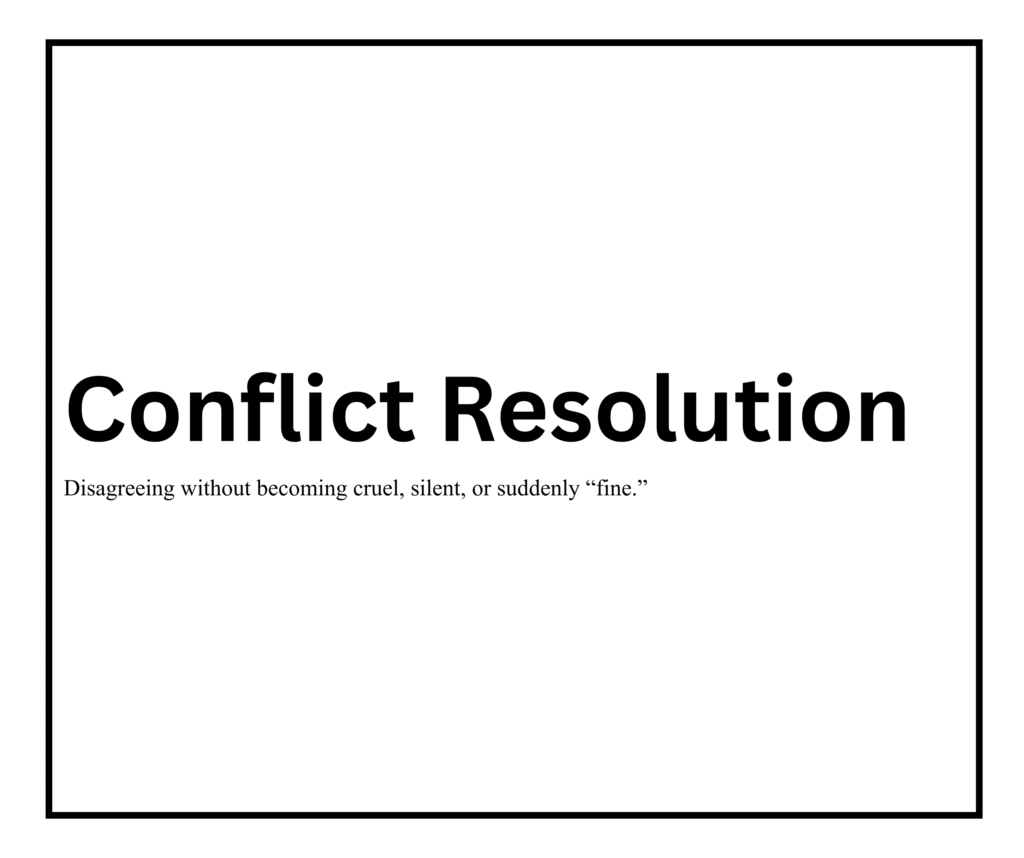
Conflict Resolution is the process of identifying, understanding, and addressing disagreements or tensions between individuals or groups in a healthy and constructive manner. It involves communication, empathy, problem-solving, and negotiation to achieve an outcome that respects everyone’s needs. Conflict is a natural part of human relationships and is not inherently negative. What makes a difference is how the conflict is handled. Effective conflict resolution strengthens relationships, prevents misunderstandings, and fosters emotional safety. When approached correctly, conflict becomes an opportunity for growth, clarity, and deeper connection.
Conflicts arise for various reasons, including differences in values, expectations, communication styles, emotional triggers, unmet needs, or misunderstandings. Personal histories and past experiences influence how individuals react during disagreements. Some people avoid conflict due to fear of confrontation or rejection, while others become defensive or aggressive because they associate conflict with danger. Emotional triggers—such as feeling unheard, invalidated, or disrespected—often intensify conflicts. Recognising why conflict occurs helps individuals approach disagreements with greater self-awareness and empathy rather than reacting impulsively or emotionally.
People typically respond to conflict through one of three patterns: avoidance, aggression, or healthy engagement. Avoidance involves withdrawing, suppressing emotions, or giving in to prevent tension, which can lead to resentment or emotional distance. Aggression includes yelling, blaming, controlling, or dominating the conversation, which harms trust and deepens misunderstandings. Healthy engagement involves expressing needs clearly, listening actively, remaining calm, and seeking solutions together. Many people learn their conflict style in childhood based on how their family handled disagreements. Understanding one’s style is the first step toward developing healthier responses.
While conflict styles are not mental health diagnoses, therapists often assess conflict patterns as part of evaluating emotional health and relationship dynamics. Through interviews, communication assessments, and questionnaires, psychologists identify patterns such as defensiveness, stonewalling, passive-aggressiveness, or emotional shutdown. Tools such as the Conflict Dynamics Profile (CDP) or interpersonal communication scales help understand how individuals react under stress. This insight allows therapists to guide clients toward healthier communication and conflict-resolution strategies in both personal and professional relationships.
Conflict resolution relies on evidence-based techniques such as active listening, assertive communication, reflective statements, and emotional regulation. Active listening involves giving full attention, acknowledging the other person’s feelings, and clarifying misunderstandings. Assertive communication teaches individuals to express their needs respectfully without aggression. Reflective statements show empathy and help the other person feel understood. Problem-solving strategies include identifying root causes, brainstorming solutions, compromising, and setting agreements for future communication. Emotion-regulation skills such as deep breathing, pausing, or grounding help individuals remain calm during conflict and prevent escalation.
A psychologist helps individuals and couples understand their conflict patterns and emotional triggers. They provide tools to improve communication, strengthen emotional regulation, and navigate disagreements more effectively. Psychologists also address deeper issues that fuel conflict, such as insecurity, trauma, fear of abandonment, or past relational wounds. For couples or families, therapists facilitate structured dialogues where each person feels heard without interruption. They teach conflict-resolution strategies, help rebuild trust, and promote healthier relational habits. For those with chronic conflict, therapy offers a supportive environment to break destructive patterns and develop emotional resilience.
Individuals can improve their conflict-resolution skills by practicing mindful communication, staying calm during disagreements, and pausing before reacting. Setting boundaries, focusing on the issue rather than attacking the person, and using “I” statements reduce defensiveness. Reflecting on the root cause of emotions helps individuals express their needs more clearly. Learning to apologise sincerely, forgive without suppressing emotions, and approach conflicts with curiosity rather than judgment strengthens relationships. Practicing empathy—trying to understand the other person’s perspective—significantly improves communication and reduces unnecessary tension.
Conflict Resolution is an essential skill that shapes the quality of relationships in personal, professional, and family life. Conflict is inevitable, but dysfunction is not. With awareness, communication, and emotional regulation, disagreements can transform into opportunities for understanding and growth. Healthy conflict resolution promotes trust, respect, and emotional intimacy, while preventing resentment and long-term damage. By learning to manage conflict effectively, individuals build stronger relationships and cultivate emotional maturity and resilience.
Emotion Regulation refers to the ability to recognise, understand, and...
Read MoreConnect with others on a shared path of growth, healing, and support. You’re not alone—we’re in this together.
WhatsApp us