# **ADHD: Understanding Attention-Deficit/Hyperactivity Disorder in Everyday Life** Attention-Deficit/Hyperactivity Disorder...
Read More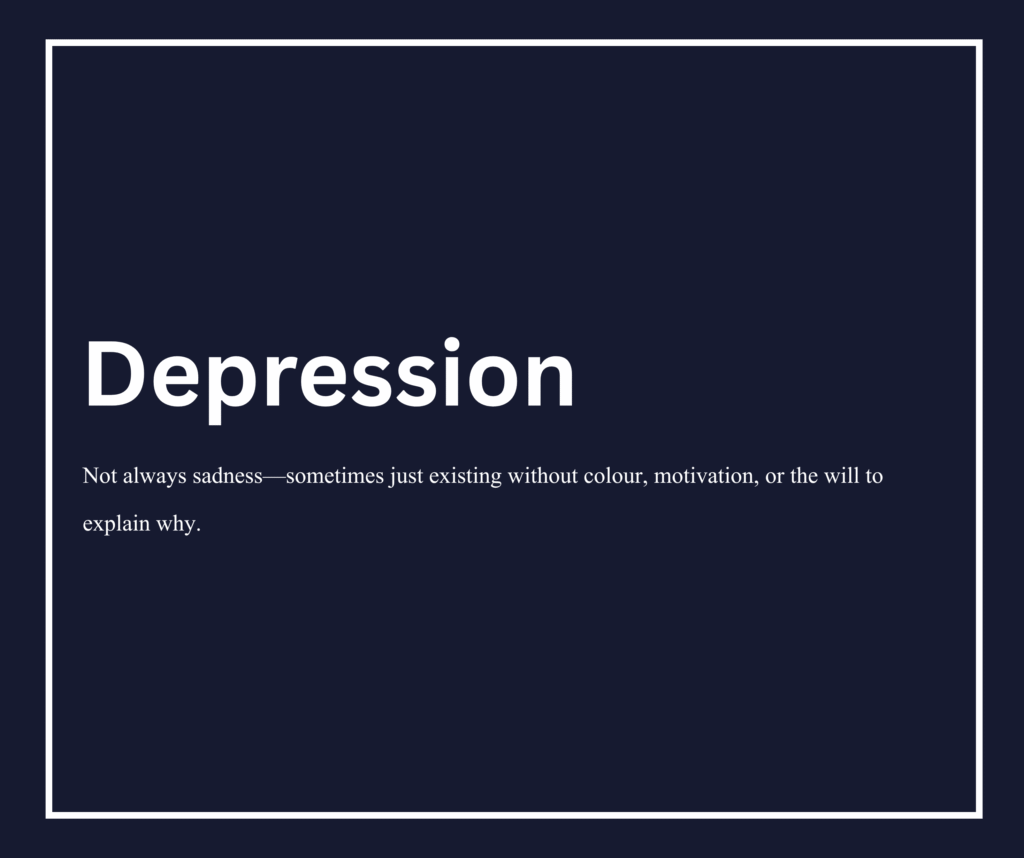
Depression is a serious mood disorder characterized by persistent sadness, loss of interest, emotional numbness, and a significant decline in daily functioning. It is more than a temporary feeling of low mood; it is a prolonged emotional state that affects how individuals think, feel, and behave. Depression can interfere with motivation, energy, appetite, sleep, concentration, and the ability to experience joy. It may impact relationships, work, academic performance, and self-esteem. Depression is not a sign of weakness or lack of effort—it is a medical and psychological condition caused by a combination of biological, emotional, and environmental factors. With proper support and treatment, depression is highly manageable and treatable.
Depression develops through a combination of multiple factors. Biological causes include neurotransmitter imbalances, genetic vulnerability, hormonal changes, and differences in brain functioning. Individuals with a family history of mood disorders are at higher risk. Psychologically, depression may stem from low self-esteem, chronic stress, unresolved trauma, perfectionism, or maladaptive thinking patterns. Environmental factors such as major life changes, relationship difficulties, financial stress, academic pressure, work overload, or lack of social support can trigger or worsen symptoms. Emotional neglect, childhood trauma, or ongoing conflict also increase vulnerability. Depression usually results from a combination of these influences rather than a single cause.
Symptoms of depression can be emotional, cognitive, physical, and behavioural. Emotionally, individuals may feel persistent sadness, emptiness, hopelessness, irritability, or guilt. They may lose interest in activities they once enjoyed and feel disconnected from others. Cognitive symptoms include difficulty concentrating, negative thinking, indecisiveness, intrusive thoughts, or distorted self-perceptions. Physically, depression can cause fatigue, sleep disturbances, appetite changes, weight fluctuations, headaches, and reduced energy. Behavioural symptoms may include social withdrawal, reduced productivity, neglect of responsibilities, or increased reliance on unhealthy coping mechanisms. The symptoms vary in intensity but last for at least two weeks to qualify for diagnosis.
Depression appears in different forms. Major Depressive Disorder (MDD) involves severe symptoms that interfere with daily functioning. Persistent Depressive Disorder (dysthymia) is a chronic, long-term form of depression with less intense but ongoing symptoms. Seasonal Affective Disorder (SAD) occurs during specific seasons, usually winter. Postpartum Depression affects individuals after childbirth. Atypical Depression includes mood reactivity and physical heaviness. Depression can also occur alongside anxiety, trauma, chronic illness, or personality disorders. Understanding the type of depression helps tailor treatment approaches effectively.
Diagnosis is made through clinical interviews conducted by a psychologist or psychiatrist. Assessment includes exploring symptoms, duration, impact on functioning, and personal or family history. Standard tools such as the PHQ-9 (Patient Health Questionnaire), Beck Depression Inventory (BDI), Hamilton Depression Rating Scale (HDRS), and DSM criteria are commonly used. The clinician also screens for co-occurring conditions like anxiety, PTSD, bipolar disorder, or substance use. Accurate diagnosis helps professionals design an appropriate and personalised treatment plan.
Depression is highly treatable through a combination of psychotherapy, medication (if needed), and lifestyle changes. Cognitive Behavioral Therapy (CBT) is the most widely used approach; it helps individuals identify and challenge negative thought patterns, regulate emotions, and build healthier behaviours. Interpersonal Therapy (IPT) focuses on relationships and communication issues contributing to depression. Trauma-informed therapy, EMDR, and psychodynamic therapy help individuals explore deeper emotional roots. For moderate to severe depression, psychiatrists may prescribe antidepressants such as SSRIs or SNRIs to correct chemical imbalances. Lifestyle interventions like structured routines, regular exercise, exposure to sunlight, and balanced sleep cycles significantly support recovery. Treatment is most effective when tailored to the individual’s emotional, psychological, and social needs.
A psychologist provides a supportive, nonjudgmental space where individuals can explore their emotions, fears, and internal struggles. They help clients understand the origin of negative thoughts, identify cognitive distortions, and develop practical strategies for coping. Psychologists teach emotional-regulation skills, behavioural activation techniques, and tools to rebuild confidence. They also help individuals address unresolved trauma, improve relationships, and create meaningful goals. Therapy offers structure, accountability, and guidance, making it easier for individuals to break cycles of avoidance, isolation, and hopelessness.
Self-help practices play a significant role in managing depression. Establishing daily routines, engaging in small meaningful activities, and practicing behavioural activation help combat withdrawal and inertia. Mindfulness and grounding techniques reduce emotional overwhelm. Regular physical activity boosts mood by improving brain chemistry. Maintaining social connections—even small interactions—helps reduce isolation. Journaling provides emotional clarity, while limiting negative self-talk builds emotional resilience. Adequate sleep, nutritious meals, reduced screen time, and time spent in nature also support mental well-being. Small, consistent actions create long-term positive changes.
Depression is a complex yet treatable condition that affects millions globally. It does not reflect personal failure or lack of strength. Understanding depression helps reduce stigma and encourages individuals to seek timely support. With proper treatment, emotional awareness, and coping strategies, individuals can regain stability, rediscover joy, and rebuild their lives. Depression may feel overwhelming, but recovery is possible—and seeking help is the first, most powerful step toward healing.
Emotion Regulation refers to the ability to recognise, understand, and...
Read MoreConnect with others on a shared path of growth, healing, and support. You’re not alone—we’re in this together.
WhatsApp us