# **ADHD: Understanding Attention-Deficit/Hyperactivity Disorder in Everyday Life** Attention-Deficit/Hyperactivity Disorder...
Read More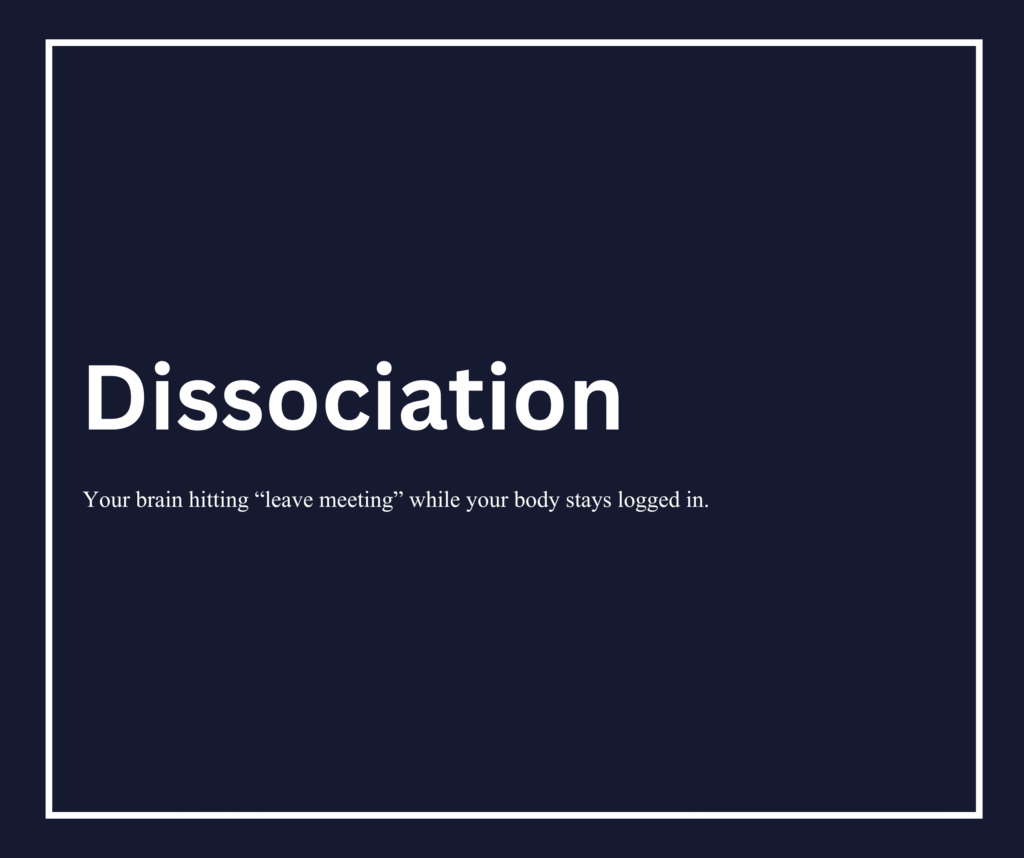
Dissociation is a psychological response in which a person becomes disconnected from their thoughts, feelings, memories, identity, or sense of reality. It is the mind’s natural protective mechanism, often triggered by overwhelming stress, fear, trauma, or emotional overload. Dissociation can range from mild daydreaming or “spacing out” to severe disruptions that interfere with daily functioning. It helps individuals escape unbearable emotional pain by temporarily shutting down or separating parts of their experience. While occasional dissociation is normal, frequent or intense dissociative episodes may indicate an underlying mental health condition.
Dissociation commonly develops as a survival strategy during traumatic or threatening situations—especially in childhood when emotional regulation skills are not fully developed. When an event feels too overwhelming to process, the mind detaches to reduce emotional intensity. This response may also occur during ongoing trauma, such as abuse, violence, or chronic stress, where dissociation becomes a habitual coping mechanism. Over time, the brain learns to disconnect whenever emotions feel too strong or unsafe. Dissociation can also occur in response to panic, intense anxiety, or sensory overload. Although originally protective, it becomes unhelpful when it disrupts reality, memory, or daily life.
Dissociation appears in several forms. Depersonalisation involves feeling detached from oneself, as if observing life from outside the body. Derealisation creates a sense that the world feels unreal, distant, or dreamlike. Dissociative Amnesia involves gaps in memory about specific events, especially traumatic ones. Dissociative Identity Disorder (DID) involves the presence of two or more distinct identity states, typically formed as a response to prolonged and severe trauma. Other forms include emotional numbing, losing track of time, or feeling disconnected from surroundings. These experiences vary in intensity and duration depending on the person and context.
Symptoms include feeling disconnected from emotions, difficulty recalling events, losing awareness of surroundings, and experiencing numbness or detachment. Individuals may speak or move on “autopilot” without conscious awareness. Some feel like they are watching themselves from outside, while others feel the world has become blurry or unreal. Intense episodes can cause confusion, panic, or fear of “going crazy.” Dissociation often co-occurs with anxiety, PTSD, depression, childhood trauma, or extreme stress. Individuals may also experience headaches, altered senses, or a floating sensation during dissociation.
Diagnosis involves a detailed evaluation by a psychologist or psychiatrist. Clinicians explore symptoms, triggers, trauma history, emotional patterns, and frequency of episodes. Tools such as the Dissociative Experiences Scale (DES), Structured Clinical Interview for Dissociative Disorders (SCID-D), and trauma-related assessments help determine the type and severity of dissociation. Dissociative disorders are diagnosed based on DSM-5 criteria, which consider memory loss, identity disruptions, and depersonalisation/derealisation experiences. Assessment is careful and trauma-informed, ensuring the individual feels safe, heard, and not overwhelmed.
Dissociation is treated through long-term, trauma-focused therapy that strengthens emotional regulation, grounding, and integration. Trauma therapy helps individuals process past experiences safely and gradually. Cognitive Behavioral Therapy (CBT) addresses unhelpful thoughts that trigger dissociation. EMDR (Eye Movement Desensitization and Reprocessing) helps process trauma memories and reduce dissociative responses. Somatic Therapy teaches body awareness, grounding, and nervous-system regulation. Internal Family Systems (IFS) may be used for DID or complex trauma to help integrate different identity states. For severe dissociation, therapy focuses first on stabilisation—building skills to stay present and recognising early signs of dissociation—before processing trauma. Medication may be prescribed for co-occurring conditions such as anxiety or depression but does not treat dissociation directly.
A psychologist provides a safe, structured environment where individuals can discuss their experiences without fear or judgment. They teach grounding techniques to help individuals stay present during moments of dissociation. Psychologists help clients understand triggers, recognise early warning signs, and develop coping strategies. They also guide trauma processing at a pace that feels safe, preventing re-traumatisation. For individuals with DID or severe dissociative symptoms, psychologists help promote internal communication, emotional integration, and stability. Throughout therapy, the focus remains on building safety, trust, and emotional resilience.
Self-help strategies can reduce dissociation by strengthening the mind-body connection. Grounding techniques—such as touching a cold object, focusing on breathing, describing surroundings, or engaging the senses—help bring awareness back to the present. Physical activities like stretching, walking, or holding something with texture can interrupt dissociation. Keeping a routine, limiting sensory overload, and practicing mindfulness increase stability. Journaling helps identify triggers and patterns. Creating a safety plan for intense episodes ensures individuals know what steps to take when dissociation begins. Building supportive relationships and seeking professional help further aids recovery.
Dissociation is the mind’s way of protecting itself from overwhelming emotional pain, but when it becomes chronic, it disrupts daily life, relationships, and self-understanding. Healing requires patience, safety, and trauma-informed guidance. With therapy, grounding techniques, and emotional awareness, individuals can reduce dissociation, understand its origins, and develop healthier coping strategies. Dissociation can be managed, and individuals can regain a stronger sense of self, connection, and emotional stability.
Emotion Regulation refers to the ability to recognise, understand, and...
Read MoreConnect with others on a shared path of growth, healing, and support. You’re not alone—we’re in this together.
WhatsApp us