# **ADHD: Understanding Attention-Deficit/Hyperactivity Disorder in Everyday Life** Attention-Deficit/Hyperactivity Disorder...
Read More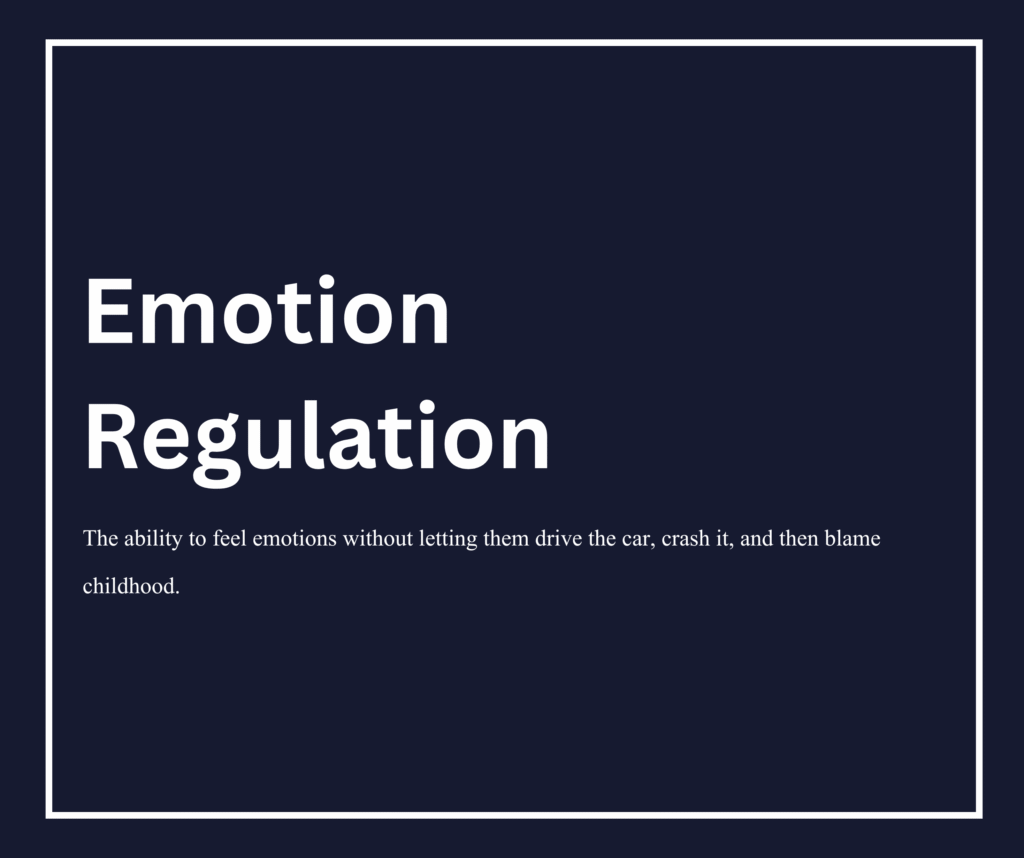
Emotion Regulation refers to the ability to recognise, understand, and manage one’s emotions in healthy and adaptive ways. It involves noticing emotional reactions, interpreting their meaning, and responding intentionally rather than impulsively. Emotion regulation does not mean suppressing or avoiding feelings; instead, it means navigating emotions with awareness, control, and flexibility. It helps individuals stay stable during stress, communicate effectively, make rational decisions, and maintain healthy relationships. Strong emotion-regulation skills are essential for mental well-being, while difficulties in regulation often contribute to anxiety, depression, anger issues, and impulsive behaviours.
Emotions influence thoughts, decisions, communication, and behaviour. When emotions feel overwhelming or uncontrollable, individuals may react impulsively, withdraw, shut down, or behave in ways they later regret. Poor emotion regulation can lead to conflict, damaged relationships, stress overload, and mental health challenges. Effective regulation builds resilience—it helps individuals tolerate distress, think clearly, and respond rather than react. Emotion regulation also supports healthy coping, problem-solving, and self-esteem. It allows individuals to move through difficult moments without being consumed by them.
Emotion regulation skills begin forming in childhood through caregiving and environment. Children learn regulation by observing how caregivers handle stress, conflict, and emotional expression. Consistent, emotionally responsive caregiving teaches children that feelings are valid and manageable. In contrast, environments marked by chaos, emotional neglect, or unpredictable responses may lead to difficulties regulating emotions later. As individuals grow, experiences, trauma, social relationships, and personality shape their emotional responses. Regulation skills evolve throughout life and can always be strengthened through therapy and practice.
People with poor emotion regulation may experience rapid mood swings, emotional overwhelm, impulsivity, or shutting down when triggered. They may overreact to small situations or experience difficulty calming down once upset. Some individuals suppress emotions until they explode, while others express emotions aggressively. Emotional numbness or avoidance often develops as a protective mechanism. Chronic difficulties may contribute to anxiety, depression, self-harm, substance use, binge eating, relationship instability, or burnout. Identifying these patterns is the first step toward improving regulation.
Emotion regulation is closely tied to brain functioning. The amygdala triggers emotional responses such as fear or anger, while the prefrontal cortex helps evaluate and manage these responses. Trauma, chronic stress, or emotional neglect can disrupt this balance, making emotional reactions more intense or harder to control. Regulation techniques—including breathing, mindfulness, and grounding—activate the parasympathetic nervous system, reducing emotional intensity and restoring balance. Understanding the brain-body connection empowers individuals to engage in tools that calm the nervous system effectively.
Emotion regulation is assessed through clinical interviews, self-report questionnaires, and behavioural observations. Tools such as the Difficulties in Emotion Regulation Scale (DERS), emotional-awareness inventories, or trauma assessments help identify underlying regulation problems. Patterns such as emotional avoidance, impulsivity, chronic shame, anger outbursts, or dissociation provide insight into how an individual manages emotions. Emotion-regulation difficulties often appear in conditions like PTSD, anxiety disorders, borderline personality disorder, depression, ADHD, and bipolar disorder. Assessment guides treatment and helps pinpoint which skills the individual needs.
Several evidence-based therapies focus on strengthening emotion-regulation skills. Dialectical Behavior Therapy (DBT) teaches core skills such as identifying emotions, reducing vulnerability to emotional overload, and managing distress in healthy ways. Cognitive Behavioral Therapy (CBT) challenges harmful thoughts that intensify emotions. Emotion-Focused Therapy (EFT) helps individuals name, understand, and process feelings safely. Somatic therapies teach body-based regulation through breathwork and grounding. Mindfulness-based therapies promote awareness and emotional balance. Psychodynamic approaches explore emotional roots and unconscious patterns. These therapies help individuals navigate emotions with resilience and clarity.
A psychologist helps individuals understand their emotional triggers, identify unhealthy patterns, and build practical strategies for managing emotions. They create a supportive environment where clients can explore difficult feelings without judgment. Psychologists teach tools such as grounding techniques, mindfulness, emotional labeling, and cognitive reframing. They help individuals recognise when emotions stem from past wounds rather than present situations. Over time, therapy increases emotional stability, improves communication, and strengthens coping abilities. For those with trauma backgrounds, psychologists help rebuild emotional safety and tolerance gradually.
Self-help strategies include identifying emotional triggers, practicing deep breathing, journaling, and naming emotions accurately. Grounding techniques—such as focusing on sensory details, stretching, or holding a comforting object—help calm overwhelming feelings. Regular physical activity, adequate sleep, and balanced routines support emotional stability. Mindfulness practices increase awareness and reduce reactivity. Setting boundaries, reducing exposure to stress, and engaging in meaningful activities enhance regulation. Over time, practicing emotional expression and avoiding suppression helps build emotional flexibility and resilience.
Emotion Regulation is not about controlling or eliminating emotions—it is about understanding, accepting, and responding to them with awareness. Strong emotion-regulation skills create stability, improve relationships, reduce anxiety, and support overall mental health. While difficulties often stem from early experiences or trauma, they can be improved at any age. With therapeutic guidance, self-awareness, and consistent practice, individuals can learn to navigate emotions with confidence and develop a healthier, more grounded relationship with their inner world.
Emotion Regulation refers to the ability to recognise, understand, and...
Read MoreConnect with others on a shared path of growth, healing, and support. You’re not alone—we’re in this together.
WhatsApp us