# **ADHD: Understanding Attention-Deficit/Hyperactivity Disorder in Everyday Life** Attention-Deficit/Hyperactivity Disorder...
Read More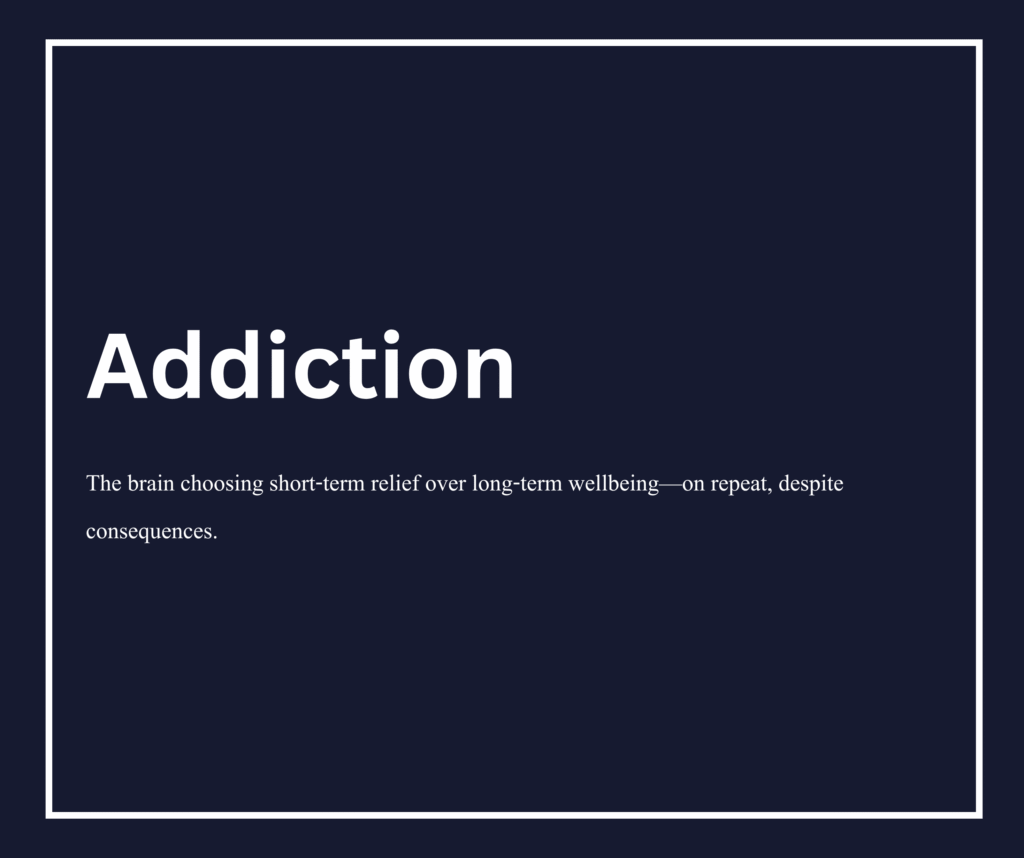
Addiction is often misunderstood as a matter of willpower, but in reality, it is a complex mental and physical health condition that affects how the brain functions. It involves repeated use of a substance or engagement in a behaviour despite harmful consequences. People struggling with addiction often describe feeling trapped in a cycle they cannot break, even when they know the behaviour is damaging. Psychologists view addiction as a chronic condition that requires empathy, structured treatment, and long-term support.
Addiction is not limited to substances such as alcohol, nicotine, or drugs. Behavioural addictions such as gambling, gaming, shopping, pornography, overeating, and compulsive social media use are becoming increasingly common. These behaviours activate the same reward pathways in the brain, creating a sense of craving and dependence similar to substance addictions.
Addiction develops due to a combination of psychological, biological, and social factors rather than a single cause. Psychologically, individuals may develop addictive patterns due to stress, anxiety, depression, trauma, or unresolved emotional pain. People sometimes use substances or behaviours as a form of emotional escape or coping mechanism. Over time, this coping method becomes habitual, and the brain relies on it to manage discomfort.
Biologically, genetics play a significant role. Some individuals have a hereditary predisposition that increases their vulnerability to addiction. Brain chemistry also contributes; addictive substances release dopamine, the “feel-good” neurotransmitter, in high amounts. With repeated exposure, the brain becomes dependent on this artificial stimulation and struggles to experience pleasure naturally.
Social factors also shape addictive behaviour. A person who grows up in an environment where substance use is normalised, encouraged, or easily accessible is more likely to develop addiction. Peer pressure, cultural norms, lack of support systems, high-stress lifestyles, or persistent loneliness can push individuals toward harmful patterns. Addiction almost always results from the interaction of these three components working together.
Addiction rarely appears suddenly. It builds gradually through small behavioural changes. Many people begin by experimenting or using occasionally, but over time, the frequency and intensity increase. One major sign is losing control: the person may intend to stop or cut down but repeatedly finds themselves returning to the behaviour. They may spend increasing amounts of time thinking about it, planning for it, or engaging in it.
Another sign is tolerance. Over time, the body or brain becomes used to the substance or activity, requiring more of it to produce the same effect. This escalation is a key marker of addiction. When a person tries to stop, they may experience withdrawal symptoms such as irritability, anxiety, headaches, shaking, restlessness, or emotional distress.
Addiction also begins to interfere with daily functioning. Work performance may decline, relationships may become strained, and physical health may deteriorate. People often hide their usage, lie about their habits, or justify behaviours they no longer fully control. Shame, guilt, and secrecy become part of the cycle, making it harder to reach out for help.
Diagnosis typically involves a structured clinical interview, where a psychologist explores the person’s history of use, patterns, triggers, and the impact on daily life. Several standard psychometric tests are used to assess the severity of addiction. The AUDIT test helps screen for harmful alcohol use, while the DAST evaluates issues related to drug consumption. The CAGE questionnaire offers a quick assessment of alcohol dependence. Tools like the SASSI detect substance abuse even when individuals are hesitant to admit it, and DSM-5 criteria provide a formal diagnostic guideline used worldwide.
For behavioural addictions, instruments such as the Internet Addiction Test, the Gambling Severity Index, and the Internet Gaming Disorder Scale are used. These assessments allow professionals to measure risk levels and design appropriate intervention plans.
Addiction treatment requires a holistic and structured approach rather than a simple attempt to “quit.” Psychotherapy is one of the most effective tools. Cognitive Behavioural Therapy (CBT) helps individuals recognise unhealthy thought patterns and replace them with healthier behaviours. Motivational Interviewing builds internal motivation and addresses ambivalence toward change. DBT is particularly useful for emotional regulation and impulse control. Trauma-informed therapy is essential for individuals whose addictive behaviour is linked to past emotional wounds.
Lifestyle and behavioural changes also play a crucial role. Developing a stable daily routine, practicing mindfulness, reducing exposure to triggers, journaling, engaging in physical activity, and strengthening support systems can accelerate recovery. For individuals who experience withdrawal or intense cravings, psychiatric support and medication may be required. In more severe cases, structured rehabilitation programs, group therapy, or community support networks like AA or NA provide long-term accountability.
Recovery is not linear. It involves progress, setbacks, learning, and rebuilding. The goal is not perfection but sustained improvement and healthier coping mechanisms.
A psychologist provides a safe, non-judgmental environment where individuals can explore the root causes of their addiction. Therapy helps individuals understand their emotional triggers, develop coping strategies, repair damaged relationships, rebuild self-esteem, and create a personalised relapse-prevention plan. Psychologists also help individuals set realistic goals, track progress, and navigate the emotional challenges of recovery. Their role extends beyond the behaviour itself, focusing on the person’s mental, emotional, and social well-being.
While professional help is crucial, several self-guided practices support recovery. Removing triggers from the environment, postponing urges using delay techniques, talking openly with a trusted person, maintaining a structured routine, journaling reactions and emotions, and engaging in regular exercise can all contribute positively. Most importantly, individuals should approach recovery with compassion rather than self-blame. Addiction is not a moral failure; it is a health condition that requires support and patience.
It is time to reach out for help if addiction begins to interfere with work, relationships, physical health, financial stability, or emotional well-being. If attempts to quit repeatedly fail, or if withdrawal symptoms cause distress, professional intervention becomes essential. Even if the addiction seems “mild,” early help significantly improves outcomes. The earlier the support, the easier the recovery process becomes.
Addiction is not a sign of weakness. It is a treatable psychological and physiological condition that requires understanding, structured care, and support. Recovery begins when a person recognises the pattern, acknowledges the struggle, and reaches out for the right help. With therapy, lifestyle changes, community support, and consistent effort, individuals can break free from addictive cycles and rebuild a healthier, more fulfilling life.
Emotion Regulation refers to the ability to recognise, understand, and...
Read MoreConnect with others on a shared path of growth, healing, and support. You’re not alone—we’re in this together.
WhatsApp us