# **ADHD: Understanding Attention-Deficit/Hyperactivity Disorder in Everyday Life** Attention-Deficit/Hyperactivity Disorder...
Read More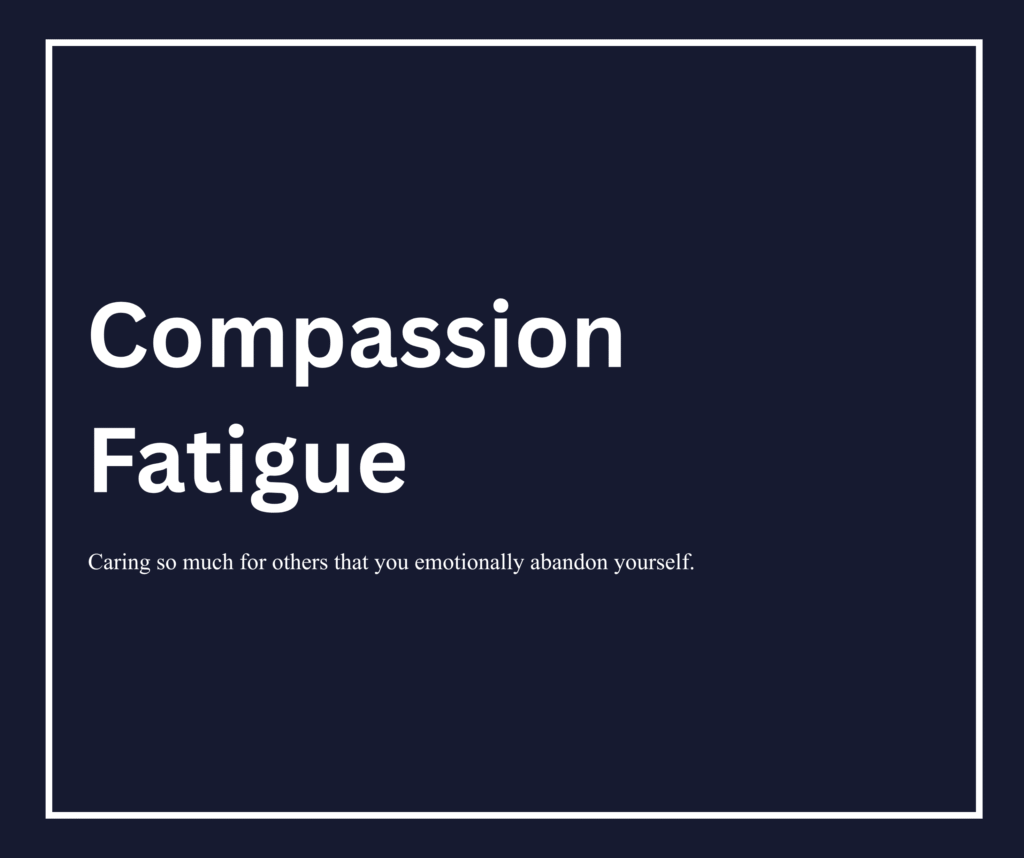
Compassion Fatigue is a state of emotional, mental, and physical exhaustion that occurs when someone repeatedly supports, cares for, or witnesses the suffering of others. It is commonly experienced by healthcare workers, therapists, caregivers, teachers, social workers, first responders, and even individuals caring for loved ones. Compassion fatigue develops when empathy becomes overwhelming and the emotional burden of caregiving begins to drain the individual’s internal resources. Unlike burnout, which develops from chronic stress or workload, compassion fatigue is rooted in the emotional cost of caring. It is sometimes described as “the cost of caring” and can affect one’s ability to feel empathy, compassion, or motivation.
Compassion fatigue occurs when emotional exposure outweighs emotional recovery. Individuals who consistently help others through pain, trauma, illness, or crisis absorb emotional stress over time. Without adequate rest, boundaries, or support, this stress accumulates. Highly empathetic individuals, those with perfectionistic tendencies, or those who feel responsible for others’ well-being are at higher risk. Constant exposure to suffering can lead to emotional depletion, and caregivers may begin to feel numb, irritable, or detached as a protective response. Compassion fatigue can also develop from personal trauma, unresolved emotional wounds, or pressure to always be available for others.
Compassion fatigue affects emotional, behavioural, and physical functioning. Emotional symptoms include irritability, sadness, numbness, guilt, or a sense of helplessness. Individuals may feel emotionally drained or unable to connect with others as deeply as they once did. Behaviourally, they may withdraw from social interactions, lose interest in their work, avoid responsibilities, or experience reduced motivation. Physical symptoms include fatigue, headaches, muscle tension, sleep disturbances, and weakened immunity. Many individuals experiencing compassion fatigue notice that their empathy decreases—they care, but they feel too overwhelmed to respond effectively.
While compassion fatigue and burnout overlap, they differ in origin. Burnout arises from chronic workload, pressure, stress, or overcommitment. Compassion fatigue stems specifically from the emotional impact of caring for others who are suffering. Individuals can experience both at the same time, especially in demanding professions. Recognising the difference helps tailor appropriate interventions. Compassion fatigue requires emotional recovery and boundaries, while burnout requires workload management and systemic change.
Compassion fatigue is not a clinical diagnosis, but psychologists assess it using tools such as the Professional Quality of Life Scale (ProQOL), which measures compassion fatigue, burnout, and compassion satisfaction. Assessment includes understanding work environment, emotional responses, personal stress load, boundaries, and coping strategies. Therapists explore patterns such as emotional numbness, overinvolvement, irritability, withdrawal, or guilt. Identifying compassion fatigue early prevents it from escalating into depression, anxiety, or complete emotional shutdown.
Treatment focuses on emotional restoration, boundary-building, and self-care. Therapy helps individuals explore the emotional weight they carry and understand the toll of constant empathy. Cognitive Behavioral Therapy (CBT) helps challenge guilt-based thoughts and build healthier coping strategies. Mindfulness practices reduce emotional reactivity and help individuals reconnect with their body and emotions. Learning to set boundaries—such as limiting emotional labour, reducing after-hours availability, or saying no when necessary—protects against further depletion. Taking breaks, reducing exposure to emotionally overwhelming situations, and redistributing responsibilities are also essential. For individuals struggling with deep emotional exhaustion, therapists may introduce grounding exercises, relaxation techniques, and strategies for emotional processing.
A psychologist helps individuals recognise that compassion fatigue is not a sign of weakness but a natural response to emotional overload. They provide a safe space to express guilt, frustration, or emotional numbness. Psychologists help identify triggers, manage difficult emotions, and develop boundaries that maintain emotional health while still allowing individuals to care effectively. They guide clients in reconnecting with their sense of purpose, strengthening resilience, and finding balance. For caregivers or professionals, psychologists may offer strategies to manage the emotional demands of their work and prevent future compassion fatigue.
Self-help strategies include practicing regular self-care, taking mental breaks, and scheduling recovery time. Setting boundaries—such as limiting emotional involvement or taking time off when overwhelmed—protects emotional energy. Engaging in physical activity, relaxation techniques, and hobbies helps replenish emotional reserves. Journaling and reflective practices help individuals process difficult emotions. Connecting with supportive colleagues or loved ones reduces isolation. Recognising early signs of emotional exhaustion allows individuals to intervene before compassion fatigue worsens. Creating a healthy balance between caring for others and caring for oneself is essential.
Compassion Fatigue highlights the emotional cost of caring deeply for others. It reminds us that even the most empathetic individuals need rest, boundaries, and support. With awareness, therapy, and healthy self-care practices, compassion fatigue can be managed and reversed. Individuals can rediscover their empathy, rebuild emotional resilience, and continue offering support without sacrificing their mental health. Caring for oneself is not selfish—it is necessary for sustaining the ability to care for others.
Emotion Regulation refers to the ability to recognise, understand, and...
Read MoreConnect with others on a shared path of growth, healing, and support. You’re not alone—we’re in this together.
WhatsApp us