# **ADHD: Understanding Attention-Deficit/Hyperactivity Disorder in Everyday Life** Attention-Deficit/Hyperactivity Disorder...
Read More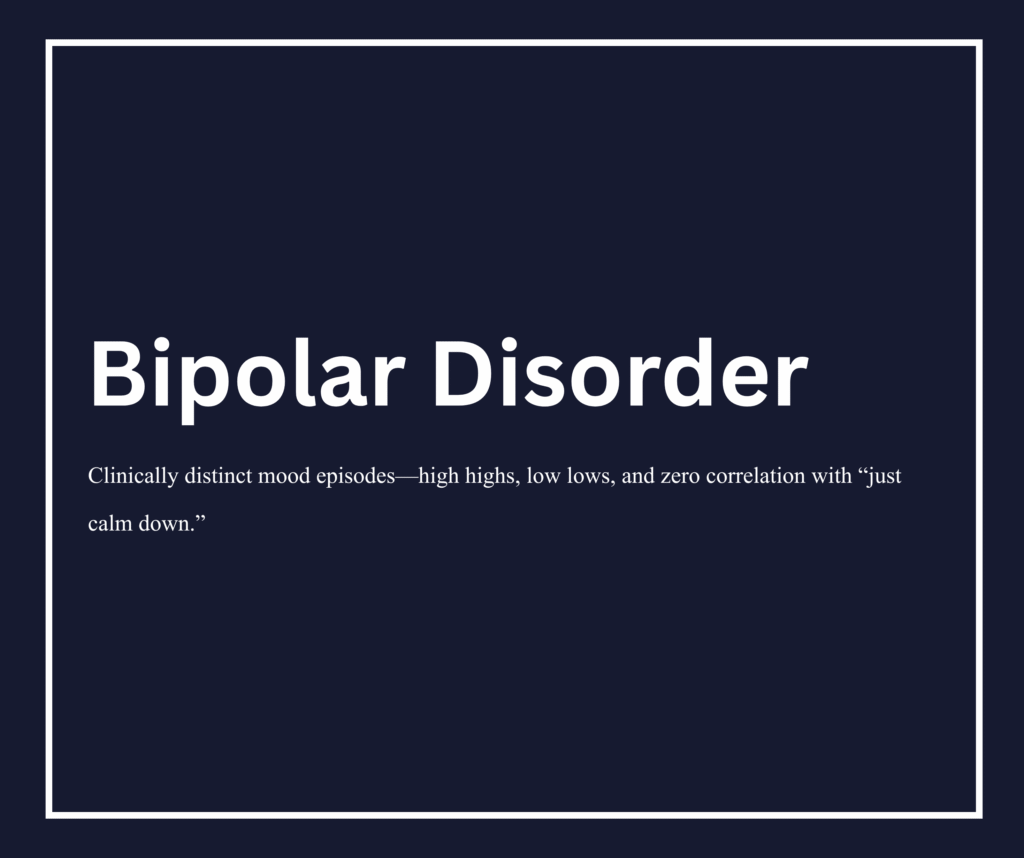
Bipolar Disorder is a mood disorder characterised by intense shifts in mood, energy, behaviour, and activity levels. These shifts move between emotional highs, known as mania or hypomania, and emotional lows, known as depression. These episodes are not typical mood changes; they are severe enough to affect daily functioning, relationships, performance, decision-making, and overall well-being. Bipolar Disorder is a long-term condition, often beginning in late adolescence or early adulthood, and it can significantly impact how a person thinks, feels, and behaves. However, with proper treatment and support, individuals with bipolar disorder can lead stable, fulfilling lives.
The causes of Bipolar Disorder involve a combination of genetic, biological, and environmental factors. Studies show that genetics play a significant role; individuals with a family history of bipolar disorder or mood disorders are at higher risk. Brain chemistry also influences the condition, particularly imbalances in neurotransmitters such as serotonin, dopamine, and norepinephrine, which regulate mood and energy. Structural and functional differences in areas of the brain responsible for emotion regulation have also been observed in individuals with bipolar disorder. Environmental factors such as chronic stress, trauma, sleep disruptions, substance use, or major life events may trigger or worsen episodes, though they do not directly cause the disorder on their own.
Symptoms of Bipolar Disorder vary depending on the type of episode the individual is experiencing. During a manic episode, a person may feel unusually energetic, overly confident, impulsive, restless, or euphoric. They may talk excessively, sleep very little, take risks, or make decisions without considering consequences. Hypomania is a milder form of mania that does not cause severe impairment but still involves elevated energy and mood. During depressive episodes, a person may feel extremely sad, hopeless, fatigued, and unable to enjoy activities they once liked. Concentration becomes difficult, motivation decreases, and thoughts of worthlessness may appear. The alternation between these emotional states creates instability that can be deeply disruptive.
Diagnosis is made by a mental health professional through clinical interviews, mood assessments, and observation of symptom patterns over time. Psychometric tools such as the Mood Disorder Questionnaire (MDQ), Young Mania Rating Scale (YMRS), and Hamilton Depression Rating Scale (HDRS) help assess mood states and symptom severity. Diagnosis requires a careful evaluation of the frequency, duration, and intensity of mood episodes, as well as ruling out conditions such as major depressive disorder, borderline personality disorder, or substance-induced mood changes. Understanding the individual’s personal and family history is essential because bipolar disorder often follows identifiable patterns across a lifetime.
Treatment for Bipolar Disorder typically involves a combination of medication, psychotherapy, and lifestyle management. Medications such as mood stabilisers, antipsychotics, and sometimes antidepressants (used cautiously) help regulate mood swings and prevent future episodes. Psychotherapy, particularly Cognitive Behavioural Therapy (CBT), helps individuals identify triggers, manage stress, stabilise routines, and build healthier thinking patterns. Interpersonal and Social Rhythm Therapy (IPSRT) focuses on maintaining regular daily routines, which significantly reduces the risk of mood episodes. Psychoeducation is also important, as understanding the disorder empowers individuals to manage symptoms more effectively. For some individuals, structured routines, sleep regulation, exercise, and avoiding substance use play major roles in maintaining stability.
Psychologists support individuals with bipolar disorder by helping them understand their mood patterns, recognise early warning signs, and develop coping strategies. Therapy helps individuals identify behaviours or situations that may trigger episodes and build skills to manage emotional extremes. Psychologists also help improve communication skills, strengthen relationships, reduce stress, and challenge negative thought cycles associated with depression. For those struggling with the consequences of impulsive or risky behaviour during manic episodes, therapy provides tools for repair and recovery. Overall, a psychologist helps individuals create structure, maintain stability, and navigate the emotional and behavioural challenges associated with the disorder.
Self-help strategies play an essential role in managing bipolar disorder alongside professional treatment. Maintaining a consistent daily routine, especially around sleep and meals, helps stabilise mood. Tracking mood changes through journals or apps can help identify early signs of episodes. Managing stress, practicing mindfulness, engaging in regular physical activity, and building a supportive social network contribute to emotional balance. Avoiding alcohol, drugs, and excessive caffeine is crucial because they can trigger or worsen episodes. Developing awareness of personal triggers empowers individuals to respond early and prevent full-blown mood shifts.
Bipolar Disorder is a complex and deeply impactful condition, but it is also highly manageable with the right combination of treatment, support, and lifestyle habits. It does not define a person’s identity or limit their potential. With consistent care, individuals can achieve stability, build meaningful relationships, and lead productive, fulfilling lives. Recognising the signs early, seeking professional help, and maintaining long-term support systems are key to managing bipolar disorder effectively. Understanding the condition brings clarity, reduces stigma, and encourages individuals to seek help without fear or hesitation.
Emotion Regulation refers to the ability to recognise, understand, and...
Read MoreConnect with others on a shared path of growth, healing, and support. You’re not alone—we’re in this together.
WhatsApp us