# **ADHD: Understanding Attention-Deficit/Hyperactivity Disorder in Everyday Life** Attention-Deficit/Hyperactivity Disorder...
Read More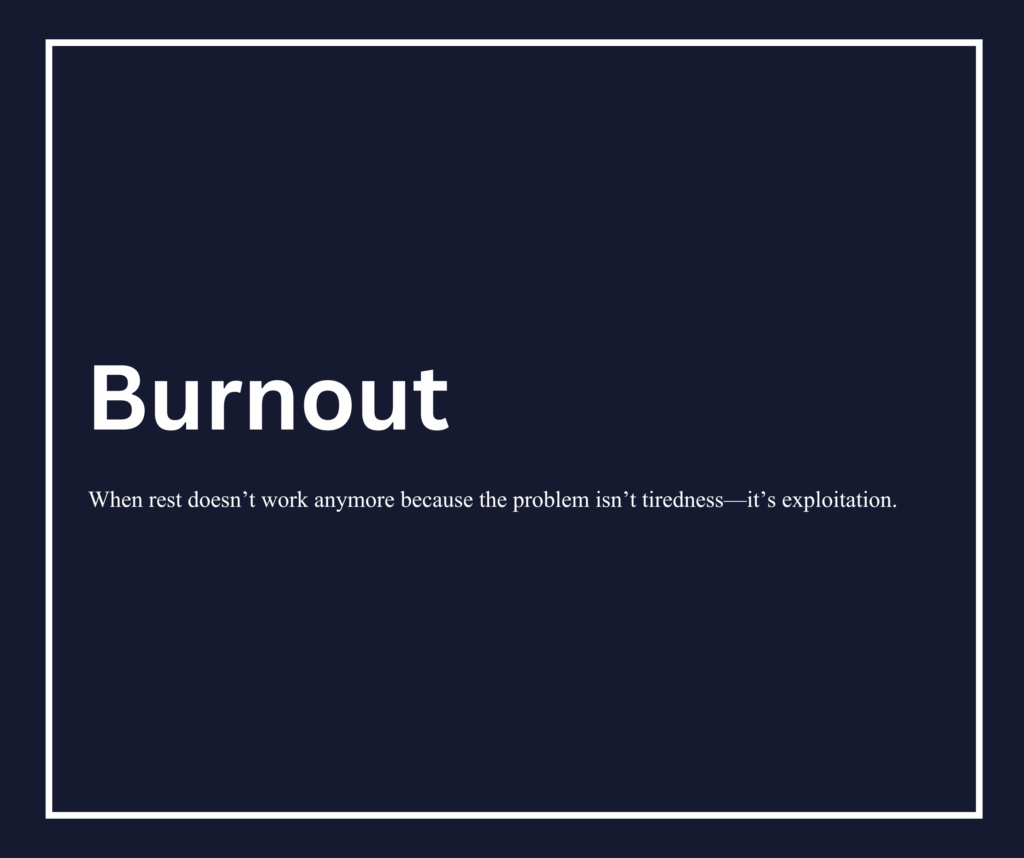
Burnout is a state of emotional, mental, and physical exhaustion caused by prolonged or excessive stress. It happens when responsibilities, pressures, or expectations become overwhelming, and a person feels drained, unmotivated, and unable to cope. Burnout often develops slowly and silently, beginning with mild stress and gradually progressing into a deep sense of fatigue, detachment, and reduced productivity. It is most commonly associated with work or academic pressure, but it can also stem from caregiving, parenting, relationship stress, or constant emotional strain. Burnout is not simply being “tired”; it is a condition where a person’s internal coping system becomes depleted.
Burnout occurs when there is a persistent imbalance between demands and the individual’s capacity to cope. Workplace factors such as long hours, lack of control, unrealistic expectations, low recognition, and emotionally heavy tasks are major contributors. In academic settings, pressure to perform, competition, and lack of rest can push students toward burnout. Personal life factors also play a role. Perfectionism, people-pleasing tendencies, chronic stress, emotional overload, and limited support systems increase vulnerability. Burnout often develops when individuals ignore early signs of stress, push themselves too hard, or feel they cannot take a break without consequences.
Burnout affects the mind and body in significant ways. Emotional symptoms include irritability, sadness, detachment, loss of motivation, and feeling overwhelmed. Mentally, individuals may experience difficulty concentrating, forgetfulness, decision-making problems, and a sense of helplessness. Physically, burnout can cause headaches, fatigue, sleep disturbances, muscle tension, gastrointestinal issues, or weakened immunity. Behaviourally, people may withdraw from responsibilities, procrastinate, avoid social interaction, or rely on unhealthy coping mechanisms such as overeating, excessive caffeine, or substance use. Over time, burnout can significantly reduce productivity and impact overall well-being.
Burnout is typically assessed through psychological evaluation rather than a medical test. Mental health professionals use structured interviews and tools such as the Maslach Burnout Inventory (MBI), Copenhagen Burnout Inventory (CBI), or occupational stress assessments to examine emotional exhaustion, depersonalization, and reduced sense of accomplishment. Diagnosis focuses on identifying stressors, assessing the impact on functioning, and differentiating burnout from clinical depression, anxiety disorders, or medical conditions that may present similar symptoms. Understanding the root cause of burnout is essential for designing an effective treatment plan.
Recovery from burnout requires both psychological support and lifestyle adjustments. Therapy helps individuals identify the stressors contributing to burnout, challenge unhealthy thinking patterns, and develop healthier coping strategies. Cognitive Behavioural Therapy (CBT) is commonly used to manage perfectionism, negative thoughts, and emotional overload. Mindfulness-based approaches help individuals reconnect with the present moment, reduce stress reactivity, and regulate emotions. Taking structured breaks, adjusting workload, and creating boundaries are essential steps in the healing process. Rest, sleep restoration, and physical activity help reset the nervous system. In severe cases, short-term medication may be recommended to manage anxiety or sleep issues, but therapy remains the core component of treatment.
A psychologist supports individuals by helping them understand the emotional and cognitive patterns that led to burnout. Therapy creates space to explore the pressures, expectations, and internal beliefs that may be contributing to chronic stress. Psychologists work on strengthening self-worth, reducing self-criticism, and teaching stress management techniques. They also help individuals create realistic goals, restructure their routines, and establish healthy boundaries. For individuals dealing with work or academic burnout, psychologists collaborate on strategies to improve balance, time management, and communication in professional or personal settings.
Several self-guided practices support recovery from burnout. Taking regular breaks, establishing a balanced routine, and prioritising rest allow the mind and body to recharge. Reducing multitasking, breaking tasks into smaller steps, and delegating responsibilities help prevent overwhelm. Engaging in activities that bring joy, spending time in nature, practicing breathing exercises, and limiting exposure to stress-provoking environments support emotional well-being. Building a strong support system and learning to say no without guilt are also crucial. Recognising early signs of burnout and responding quickly prevents symptoms from escalating.
Burnout is a powerful reminder that the human mind and body have limits. It develops not from weakness but from prolonged stress, high responsibility, and emotional overload. The condition is reversible, and with timely intervention, lifestyle adjustments, and psychological support, individuals can recover their energy, motivation, and sense of balance. Burnout emphasises the importance of rest, boundaries, and self-awareness. By learning to prioritise mental health and recognise personal limits, individuals can protect their well-being and build a healthier, more sustainable life.
Emotion Regulation refers to the ability to recognise, understand, and...
Read MoreConnect with others on a shared path of growth, healing, and support. You’re not alone—we’re in this together.
WhatsApp us