# **ADHD: Understanding Attention-Deficit/Hyperactivity Disorder in Everyday Life** Attention-Deficit/Hyperactivity Disorder...
Read More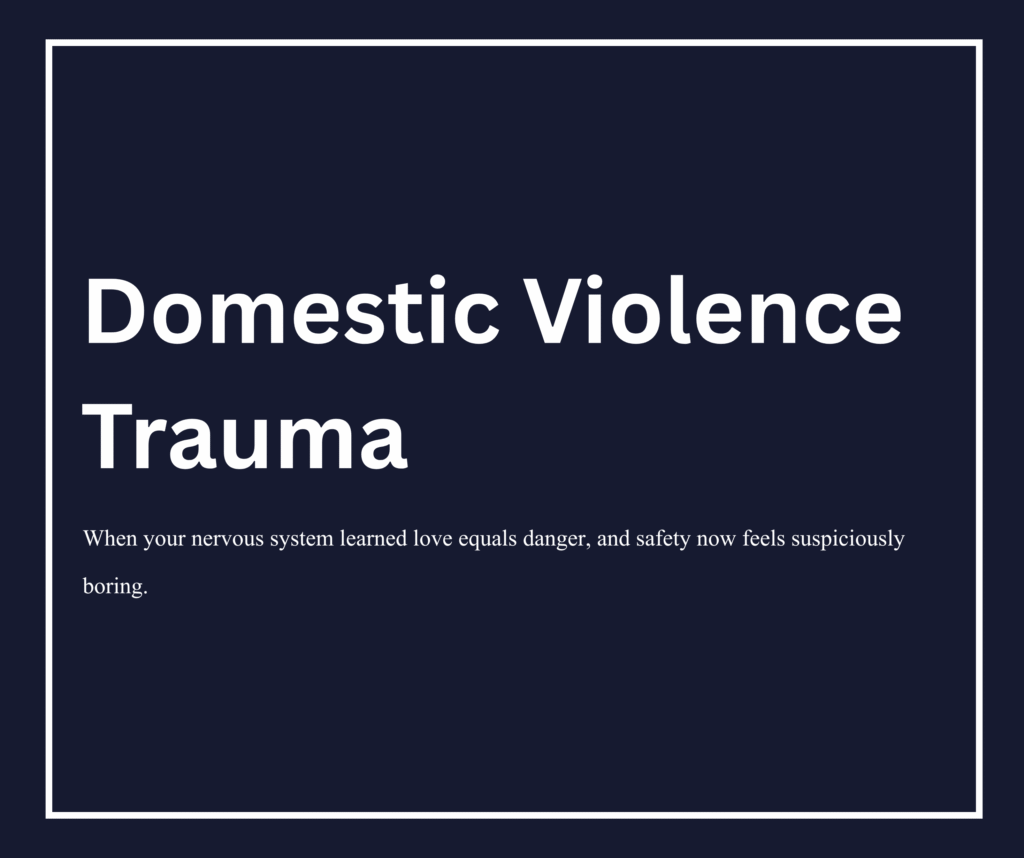
Domestic Violence Trauma refers to the emotional, psychological, and physical impact of abuse experienced within intimate or family relationships. Domestic violence may include physical harm, emotional manipulation, verbal threats, sexual coercion, financial control, isolation, intimidation, and psychological domination. Because these experiences occur in a relationship that is supposed to provide safety, trust, and emotional security, the trauma is deep and long-lasting. Survivors often live in constant fear, confusion, and emotional turmoil, unable to predict when violence or manipulation will occur. Domestic violence trauma affects the body, mind, self-esteem, and worldview, reshaping how individuals view themselves and others.
Domestic violence is not limited to physical abuse. Emotional abuse involves humiliation, gaslighting, constant criticism, threats, and controlling behaviour. Psychological abuse manipulates a person’s reality, often leaving them confused or doubting their sanity. Financial abuse restricts access to money or resources, preventing independence. Sexual abuse includes coercion, pressure, or forced acts. Social isolation occurs when abusers prevent victims from maintaining friendships or family connections. These forms of abuse often occur together and gradually erode the survivor’s sense of autonomy, identity, and safety.
Domestic violence trauma develops because the individual experiences abuse repeatedly, often in unpredictable cycles. The nervous system becomes stuck in a state of hypervigilance, always anticipating danger. The brain learns to react quickly to threats, making it hard to relax or trust anyone. Many survivors remain trapped due to fear, financial dependence, love for the abuser, concern for children, or emotional manipulation. Childhood trauma, lack of support systems, and cultural factors may also contribute to vulnerability. The traumatic environment forces the mind to adapt in order to survive, but these adaptations may later manifest as emotional issues.
Survivors of domestic violence trauma often experience anxiety, depression, panic attacks, nightmares, emotional numbness, and difficulty trusting others. Many feel guilt, shame, or self-blame, believing the abuse was somehow their fault. The constant stress may lead to chronic fatigue, headaches, body pain, and sleep disturbances. Survivors may have difficulty making decisions, trusting new relationships, or raising their voice due to fear of conflict. Dissociation, hypervigilance, irritability, and sensitivity to loud sounds or sudden movements are common. Long after leaving the abusive environment, survivors may continue to struggle with trauma triggers, low self-esteem, or fear of abandonment.
Domestic violence often follows a predictable cycle: tension building, abusive incident, reconciliation, and calm. This cycle creates confusion and emotional dependency. During the calm phase, the abuser may apologise or show affection, giving the survivor hope that the abuse will stop. Over time, this cycle creates trauma bonding—a powerful emotional attachment formed through fear, intermittent kindness, and control. This bond can make it extremely difficult for survivors to leave, even when they recognise the relationship is harmful. Trauma bonding is not a sign of weakness; it is a psychological response to manipulation, fear, and emotional instability.
Domestic violence trauma is assessed through clinical interviews, trauma histories, behavioural observations, and psychological questionnaires. Tools such as the PTSD Checklist (PCL-5), Dissociative Experiences Scale (DES), and trauma symptom inventories help identify the severity of trauma. Psychologists also evaluate for co-occurring conditions such as depression, anxiety, dissociation, or complex PTSD. A trauma-informed approach ensures the survivor feels safe, validated, and not pressured. The goal of assessment is to understand the impact of abuse and develop an appropriate healing plan.
Healing from domestic violence trauma requires a safe, supportive, and structured therapeutic approach. Trauma-focused Cognitive Behavioral Therapy (TF-CBT) helps challenge negative beliefs and process traumatic memories. EMDR (Eye Movement Desensitization and Reprocessing) is effective in reducing emotional intensity and flashbacks. Somatic therapies—such as grounding, breathwork, and body awareness—help regulate the nervous system. Dialectical Behavior Therapy (DBT) builds emotional regulation, distress tolerance, and interpersonal skills. Psychodynamic therapy addresses long-term patterns and unresolved emotional wounds. Support groups provide connection with others who have experienced similar trauma. For individuals in immediate danger, safety planning is prioritised before any therapeutic processing begins.
A psychologist provides a safe space where survivors can express their experiences without fear of judgment. They help individuals understand trauma responses, identify patterns of manipulation, and break cycles of guilt and self-blame. Psychologists teach grounding techniques, coping skills, and emotional regulation practices. They also help survivors rebuild self-esteem, assert boundaries, and reconnect with their identity. For those leaving or considering leaving abusive environments, psychologists assist with safety planning and resource guidance. The therapeutic relationship itself becomes a model of trust, stability, and respect—something many survivors have not experienced in their relationships.
Self-help strategies include grounding exercises, journaling emotions, practicing self-compassion, and building small routines that create a sense of control. Limiting contact with the abuser, seeking support from trusted people, and educating oneself about abuse dynamics strengthen emotional clarity. Engaging in physical movement, creative expression, meditation, and relaxation techniques supports healing. Safety planning—such as having emergency contacts, a backup phone, or essential documents ready—is crucial for those still in unsafe environments. Over time, reconnecting with hobbies, interests, and supportive communities rebuilds identity and empowerment.
Domestic Violence Trauma leaves deep emotional scars, but healing is possible with support, understanding, and the right therapeutic interventions. Survivors are not defined by what happened to them—they are resilient individuals who endured extreme emotional pain and still have the capacity to rebuild their lives. Recovery involves reclaiming safety, identity, self-worth, and emotional freedom. With awareness, therapy, and compassionate support systems, survivors can break free from trauma, rebuild trust, and move forward into healthier, empowered futures.
Emotion Regulation refers to the ability to recognise, understand, and...
Read MoreConnect with others on a shared path of growth, healing, and support. You’re not alone—we’re in this together.
WhatsApp us